

Help us raise $300,000 to kickoff our Equity-Building Program by building 2 debt-free townhomes!
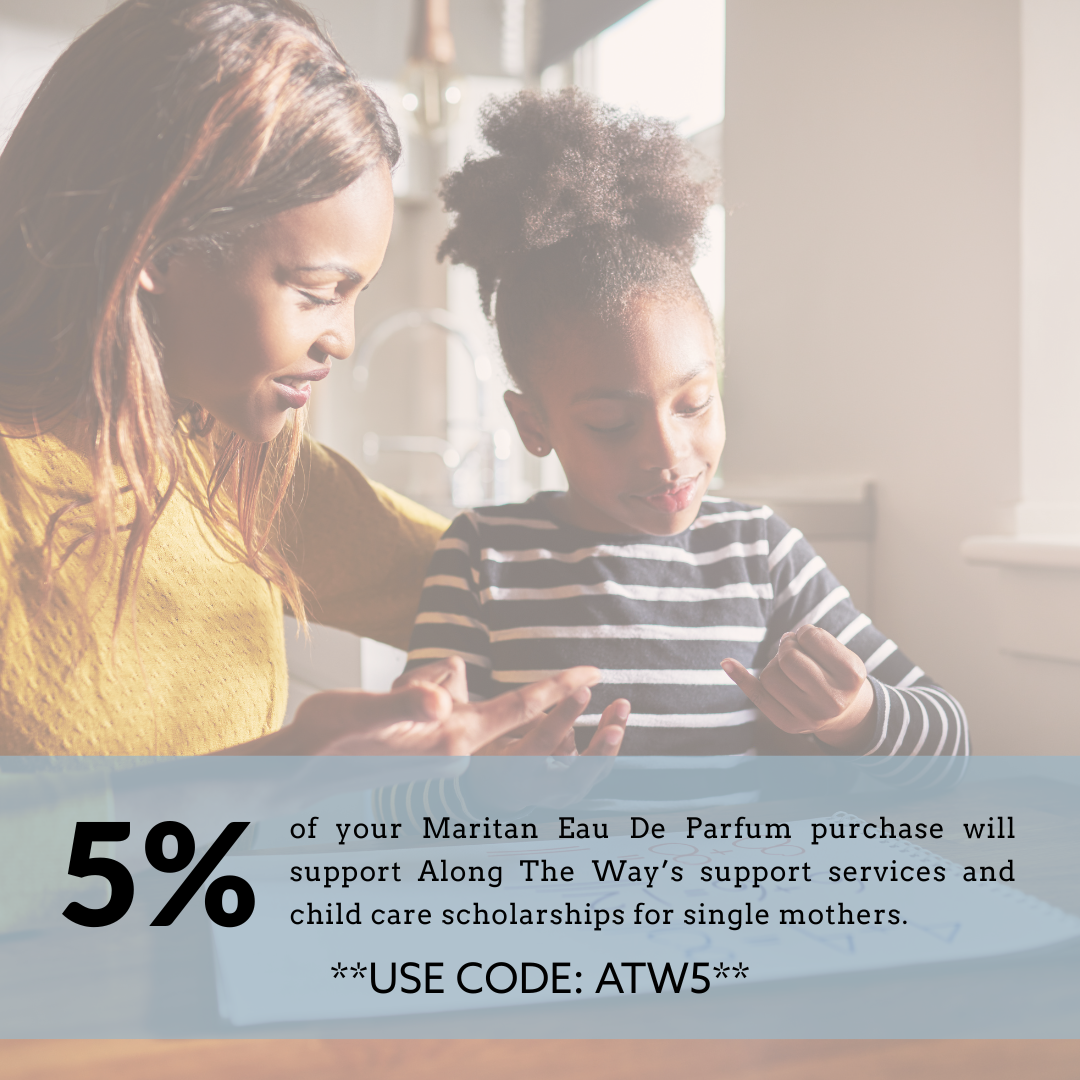
100% of your purchase supports the program
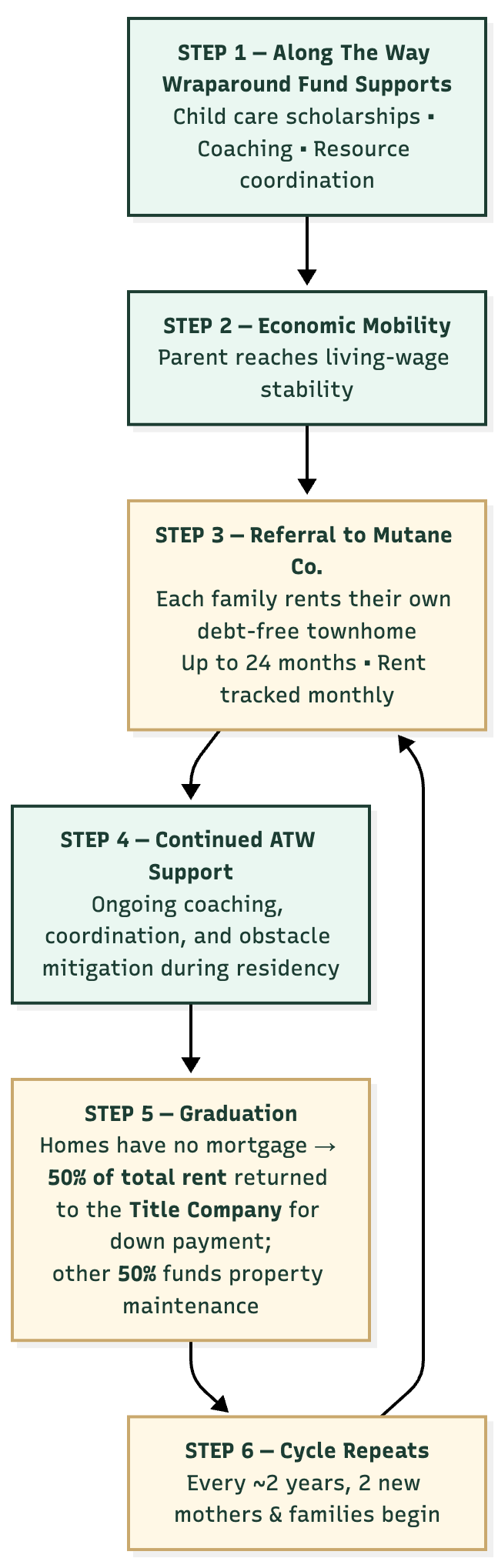
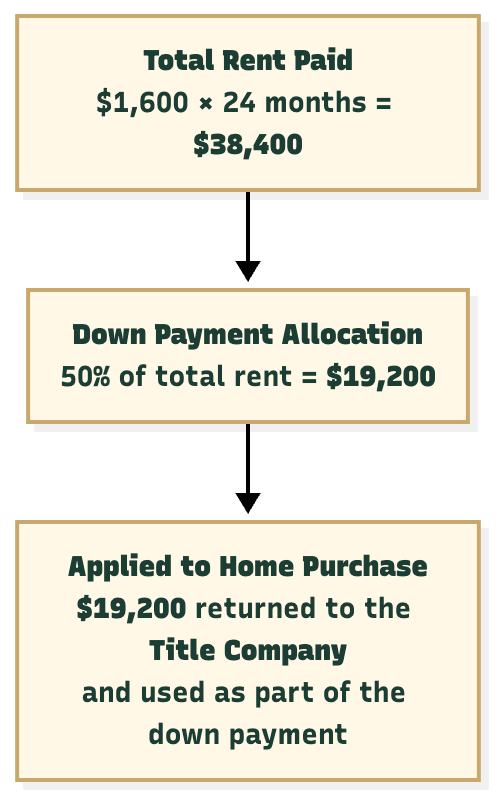
Your purchase, alongside grants, will make the dreams of single mothers come true! The build-out of these homes will power a revolving housing program for single mothers of color. Each home will host a family in our 2 year equity-building program, where rent payments build credit, stability, and future down-payment funds. When families graduate, new mothers move in. The cycle continues - ensuring the impact grows for generations.

Where luxury meets legacy — a partnership that transforms beauty into belonging.
What began as a simple act of generosity has become a movement of restoration.
Mutane Co., a 100% volunteer-led nonprofit, created Maritan Eau De Parfum — a fragrance born from generosity and designed for impact. Every bottle sold helps fund a Housing Equity Project - the debt-free construction of two townhomes that will serve as transitional housing for single mothers of color on the path to homeownership.
Along The Way, a Pennsylvania nonprofit providing trauma-informed child care, case management, and economic mobility coaching, will deliver the wraparound support — helping single mothers stabilize, plan, and prepare for long-term stability, including homeownership.
Through this partnership, each mother’s success creates space for another to rise. Every two years, a new cohort of two mothers and children will enter the program — making these homes a living cycle of opportunity that multiplies impact for generations to come.
Together, we’re building more than homes — we’re building legacies for women who have already fought hard to rise.
HOW IT WORKS
ATW × Mutane Co. Equity-Building Program
Meet the Women Behind the Movement


Stability + Equity-Building Matter
Minimum of 2 Homes Funded • 0% Debt • 100% Hope
1-2 Year Home Ownership Preparation Cycles • 2-4 Families Per Cycle • Year After Year
When we help a mother build equity, we do more than secure a home — we give her the power to stand steady, to dream boldly, and to pass peace forward.
When you purchase Maritan, you give mothers peace of mind, children stability, and families the chance to build lasting equity — restoring what poverty has taken away.

Mental Health x Housing Insecurity
Children who experience housing insecurity (including frequent moves, overcrowding, eviction risk) have significantly higher levels of anxiety and depression — even after accounting for poverty.

Physical Health x Housing Insecurity
Children who experience housing instability are 4–5 times more likely to have fair or poor health than their stably housed peers.

Brain Development × Chronic Stress
Repeated stress exposure (including housing insecurity) disrupts prefrontal cortex development, reshaping neural architecture - reducing children's focus and self-regulation capacity.

Wealth Building × Homeownership
Homeownership is the single greatest predictor of intergenerational wealth transfer in the United States. Yet only one in six single women in Pennsylvania own their homes — less than half the rate of married couples.
Stress Physiology × Instability
Research shows that when families face long-term instability (i.e. financial or housing stress), their bodies produce higher levels of stress hormones like cortisol — leading to greater physical wear and tear over time.

Opportunity × Stability
Children of mothers who owned homes were more likely to own homes themselves, attain higher education, and be less reliant on public assistance.